

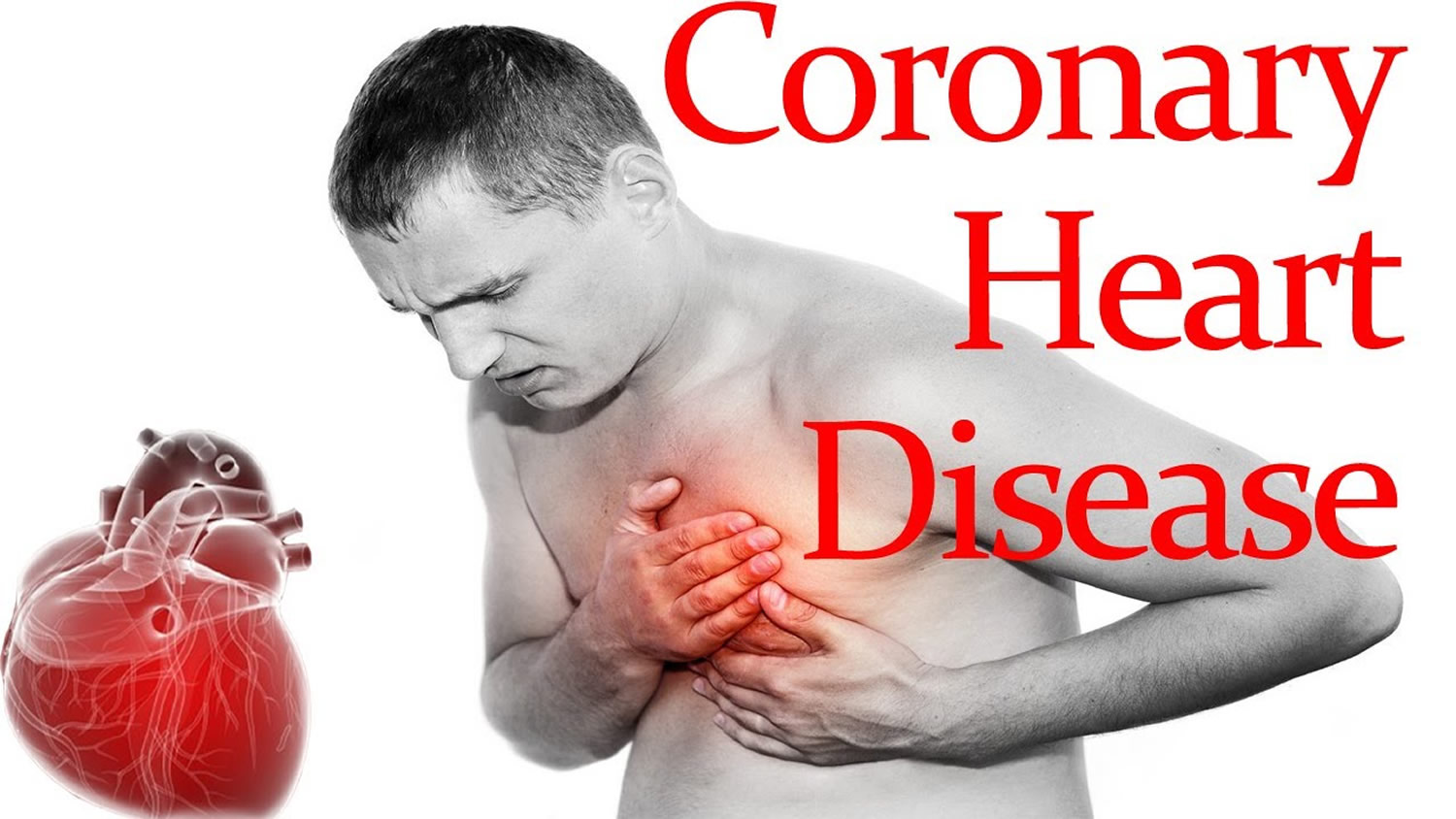
Heart disease includes conditions that narrow or block blood vessels (coronary heart disease). This can lead to a heart attack, angina and some strokes. Heart disease also covers conditions that affect your heart’s muscle, valves or cause abnormal rhythms (arrhythmias).
What are the symptoms of cardiovascular heart disease?
Symptoms of heart disease vary based on what condition you have and can include:
- chest pain
- pain, weakness or numb legs and/or arms
- breathlessness
- very fast or slow heartbeat, or palpitations
- feeling dizzy, lightheaded or faint
- fatigue
- swollen limbs.
Flu jab
Anyone with a heart and circulatory condition is advised to have the flu jab annually.
What increases my risk of cardiovascular heart disease?
A risk factor is something that increases the chance of getting a condition. The more you have, the higher your chance of CVD. Even if you can’t change all your risk factors, there are steps you can take to reduce your risk.
There are several risk factors for CVD, including:
- smoking
- stress
- alcohol
- high blood pressure
- high blood cholesterol
- being physically inactive
- being overweight or obese
- diabetes
- family history of heart disease
- ethnic background
- sex – men are more likely to get CVD earlier than women
- age – the older you are, the more likely you are to get CVD.
How is cardiovascular heart disease diagnosed?
Diagnosis of coronary heart disease depends on your symptoms and what condition your doctor thinks you may have.
Tests may be based on your family history and can include:
What is the treatment for cardiovascular heart disease?
Treatment will depend on your condition, but usually includes:
- lifestyle changes
- medication
- a device such as an ICD or pacemaker
- stents
- heart surgery.
 Brain disorders & other General topics of the day